Kitchen Mold Removal
by Admin
Posted on 28-11-2024 09:57 PM
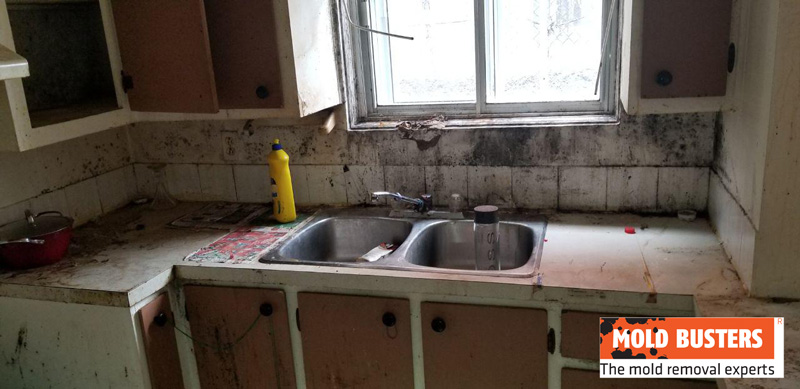
Understanding Kitchen Mold
Mold in the kitchen can be a real nuisance. It thrives in warm, moist environments, making kitchens the perfect breeding ground. Common types of kitchen mold include Aspergillus, Cladosporium, and Penicillium, which can appear as black, green, or white patches on walls, cabinets, or food.
Understanding mold and its effects is crucial. Some molds can produce allergens and irritants that may affect your health. That’s why it’s important to tackle this issue promptly to ensure a safe cooking environment!
Identifying Mold Growth
Recognizing mold is the first step towards effective removal. Look for discoloration on walls, ceilings, and under sinks. Musty odors can also indicate hidden mold behind appliances or under cabinets.
Check areas that are often damp, such as around the sink, behind the refrigerator, and in the pantry. Performing regular inspections can prevent mold from becoming a larger problem!
- Check for visible mold patches
- Look for water stains or discoloration
- Smell for musty odors
Steps for Effective Mold Removal
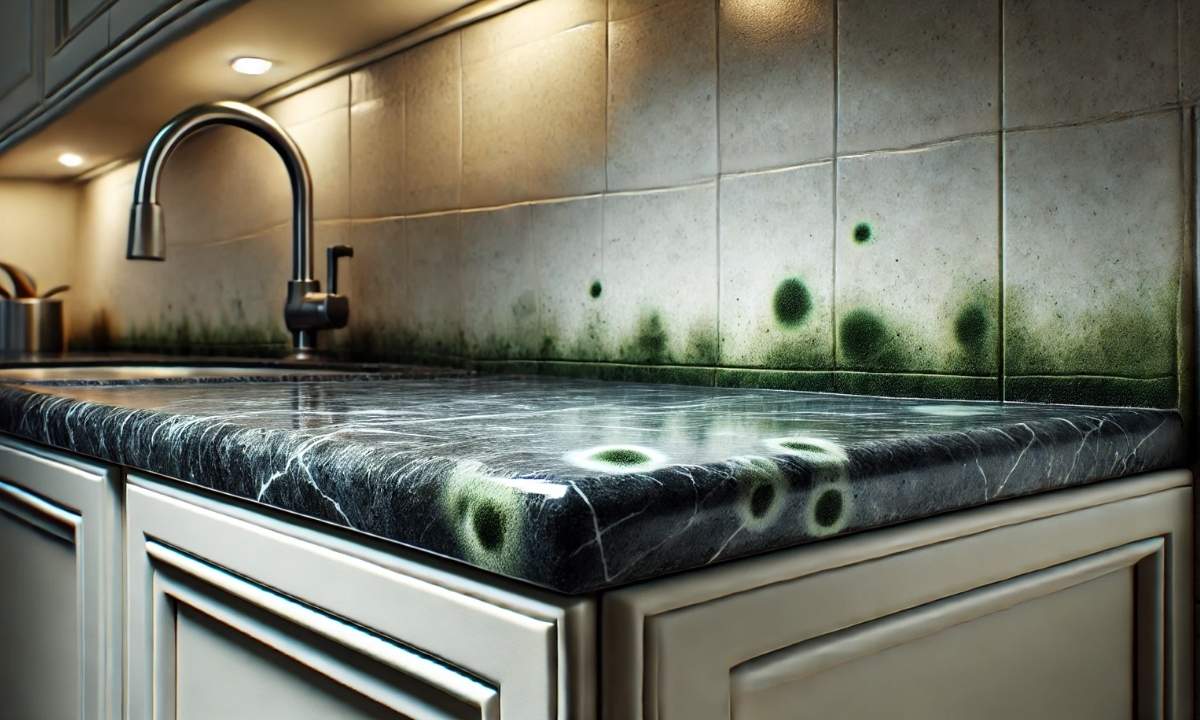
When it comes to kitchen mold removal, taking the right steps is essential. First, you’ll want to wear protective gear, including gloves and a mask, to avoid exposure to mold spores.
Next, ensure proper ventilation in the area. Open windows and turn on fans to help air circulate while you work. This will both help dry the area and reduce airborne spores.
- Identify and address the source of moisture.
- Clean affected surfaces with a mixture of water and soap.
- Use a mold-killing solution like vinegar or bleach for stubborn spots.
- Dry the area thoroughly to prevent future growth.
Using Natural Solutions
If you prefer eco-friendly methods, there are natural solutions for kitchen mold removal. Vinegar is a great option that can kill many types of mold. Simply spray undiluted vinegar on the affected area and let it sit for an hour before wiping it away.
Baking soda is another effective mold killer. Mix it with water to create a paste, apply it to the moldy area, and scrub gently. This will not only remove mold but also help eliminate odors!
- Vinegar for easy spraying
- Baking soda for scrubbing
- Hydrogen peroxide for tougher patches
Preventing Future Mold Growth
Once you’ve removed the existing mold, it’s important to prevent it from returning. Start by monitoring humidity levels in your kitchen. Using a dehumidifier can help keep moisture levels in check!
Regular cleaning is key. Wipe down surfaces and ensure that spills are cleaned up quickly. Fix any leaks in plumbing or appliances to eliminate the moisture that mold needs to thrive.
- Use exhaust fans while cooking
- Keep windows open for ventilation
- Regularly inspect for leaks
When to Call Professionals
Sometimes, mold problems can be too big for DIY solutions. If mold covers a large area or you find it in your HVAC system, it may be time to call in professionals. They have specialized tools and expertise to handle serious mold infestations.
Additionally, if anyone in your home has health issues, seeking professional help is highly recommended. They can ensure the mold is removed safely and effectively!
- Large mold areas
- Mold in HVAC systems
- Health concerns
Conclusion
Kitchen mold removal is essential for maintaining a healthy cooking environment. By understanding mold, taking the right steps to remove it, and preventing its return, you can enjoy a clean and safe kitchen.
Remember, regular inspections and cleaning can save you a lot of trouble down the line. Don’t let mold ruin your cooking space; take action today!
Frequently Asked Questions about Kitchen Mold Removal
- 1. What are the common types of mold found in kitchens?
- The common types of kitchen mold include Aspergillus, Cladosporium, and Penicillium, which can appear as black, green, or white patches.
- 2. How can I identify mold growth in my kitchen?
- Look for discoloration on walls, ceilings, and under sinks, as well as musty odors that may indicate hidden mold.
- 3. What steps should I take for effective mold removal?
- Wear protective gear, ensure proper ventilation, address the moisture source, clean surfaces, use a mold-killing solution, and dry the area thoroughly.
- 4. Are there natural solutions for removing kitchen mold?
- Yes, vinegar and baking soda are effective natural solutions. Spray undiluted vinegar on the affected area or create a paste with baking soda and water for scrubbing.
- 5. How can I prevent future mold growth in my kitchen?
- Monitor humidity levels, use a dehumidifier, clean regularly, address leaks promptly, and use exhaust fans while cooking.
- 6. When should I call professionals for mold removal?
- If mold covers a large area, is found in your HVAC system, or if anyone in your home has health issues, it is advisable to seek professional help.
- 7. Why is kitchen mold removal important?
- Removing kitchen mold is essential for maintaining a healthy cooking environment and preventing health issues related to mold exposure.