Attic Mold Remediation
by Admin
Posted on 28-11-2024 09:51 PM
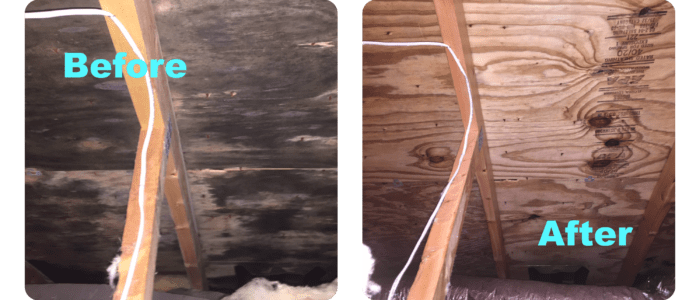
Understanding Attic Mold
Attic mold is a common issue that many homeowners face. It typically grows in dark, damp areas, making attics an ideal breeding ground. The presence of moisture is the primary driver of mold growth, which can lead to serious health issues and structural damage if left untreated.
If you notice a musty smell or see visible mold in your attic, it’s important to act quickly. Not only does mold affect the air quality in your home, but it can also weaken the structural integrity of your property. Understanding the signs and causes of attic mold is the first step towards effective remediation.
Signs of Mold in Your Attic
Identifying attic mold early can save you time and money. Here are some common signs that you may have mold:
- Visible mold patches on wood beams or insulation
- Dark stains on walls or ceilings
- A musty or earthy odor
- Increased allergy symptoms among family members
If you observe any of these signs, it’s time to investigate further. Keep in mind that mold can often be hidden, so a thorough inspection is necessary!
Common Causes of Attic Mold
Before tackling the remediation process, it’s crucial to understand what caused the mold in the first place. Common causes include:
- Poor ventilation, leading to trapped moisture
- Roof leaks allowing water to enter
- Humidity from activities like cooking or showering
- Insulation that is too thick or improperly installed
Identifying these issues is essential because if they’re not resolved, mold will likely return after remediation. Addressing the underlying problems ensures a healthier attic environment.
Mold Remediation Steps
Remediating mold in your attic requires a systematic approach. Here’s a step-by-step guide to help you through the process:
- Inspect and assess the extent of the mold.
- Ensure proper ventilation to reduce humidity.
- Remove affected materials, like insulation.
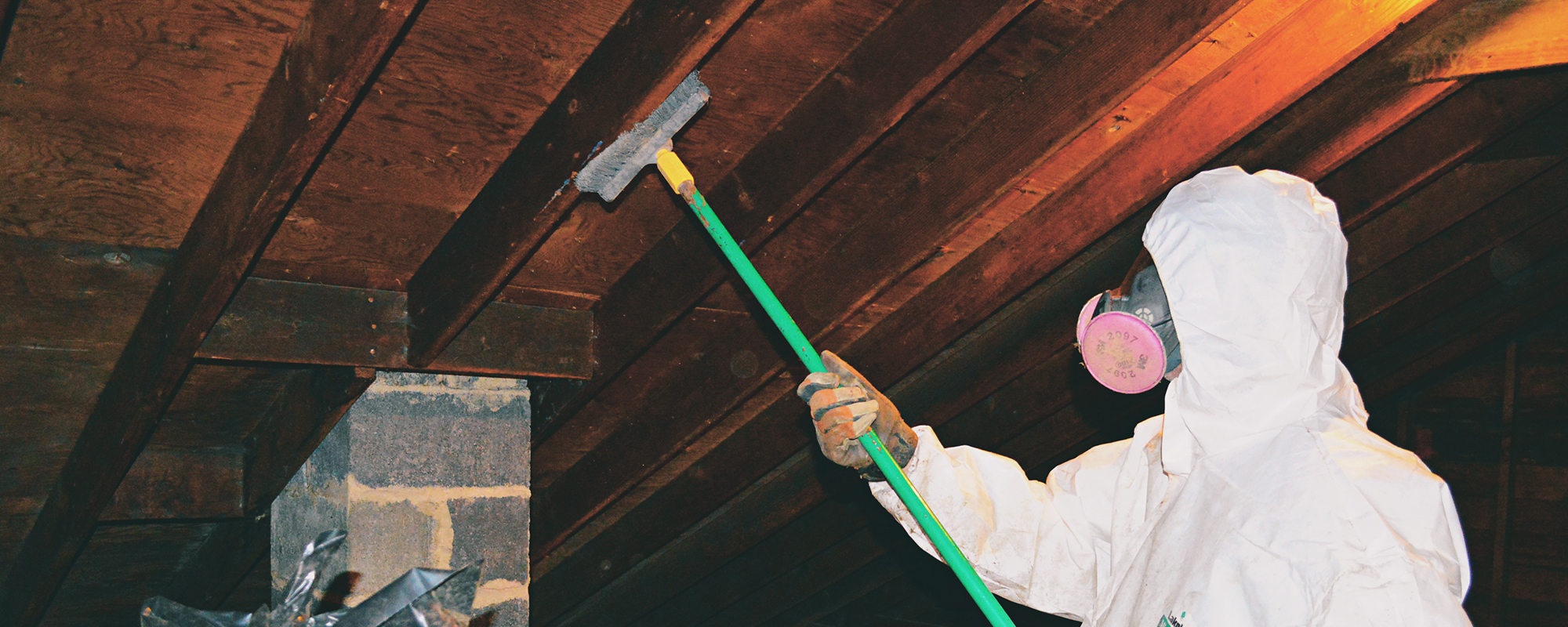
- Clean and disinfect moldy surfaces.
- Use mold-resistant products to prevent future growth.
By following these steps carefully, you can effectively remove mold and reduce the chances of it returning. Remember, safety first! Always wear protective gear when handling moldy materials.
Tools and Materials Needed
Before you begin the remediation, gather the necessary tools and materials. Here’s what you’ll need:
- Protective gear (gloves, mask, goggles)
- Mold cleaner or a mixture of water and vinegar
- HEPA vacuum to collect mold spores
- Trash bags for disposal
Having the right tools helps streamline the process and ensures you’re protecting yourself from potential hazards while you work!
When to Call a Professional
Sometimes, attic mold can be extensive or connected to underlying issues that require expert attention. Consider calling a professional if:
- You have a large area of mold (more than 10 square feet)
- The mold persists after your efforts
- There are signs of structural damage
Professionals have the training and tools to handle severe mold issues. Plus, they can identify and fix underlying problems that contribute to mold growth, ensuring your attic stays mold-free!
Prevention Tips
Once the mold is removed, focus on prevention to avoid future growth. Here are some simple tips:
- Ensure proper ventilation in your attic.
- Inspect your roof regularly for leaks.
- Maintain low humidity levels in your home.
- Use vapor barriers in areas prone to moisture.
By taking these proactive steps, you can create an environment that discourages mold growth and keeps your attic healthy!
Frequently Asked Questions About Attic Mold Remediation
- What are the common signs of mold in my attic?
Common signs include visible mold patches on wood beams or insulation, dark stains on walls or ceilings, a musty or earthy odor, and increased allergy symptoms among family members. - What causes attic mold?
Common causes of attic mold include poor ventilation, roof leaks, humidity from household activities, and insulation that is too thick or improperly installed. - What are the steps involved in mold remediation?
The steps include inspecting and assessing the extent of the mold, ensuring proper ventilation, removing affected materials, cleaning and disinfecting moldy surfaces, and using mold-resistant products to prevent future growth. - What tools and materials do I need for attic mold remediation?
You will need protective gear (gloves, mask, goggles), a mold cleaner or a mixture of water and vinegar, a HEPA vacuum, and trash bags for disposal. - When should I call a professional for mold remediation?
Consider calling a professional if you have a large area of mold (more than 10 square feet), if the mold persists after your efforts, or if there are signs of structural damage. - How can I prevent mold from returning to my attic?
Prevent mold by ensuring proper ventilation, regularly inspecting your roof for leaks, maintaining low humidity levels, and using vapor barriers in moisture-prone areas.