Character Development Tips
by Admin
Posted on 27-08-2025 06:01 PM
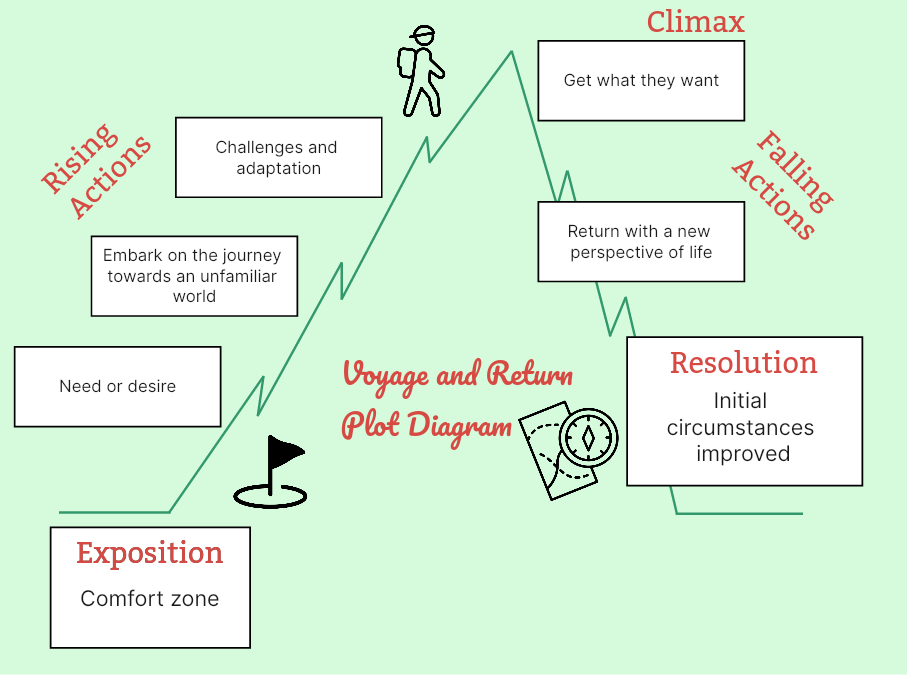
Understanding Character Development
Character development is the process of creating and developing characters in a story. It involves giving characters their own unique personalities, motivations, and backstories. Well-developed characters can drive the plot of a story and make it more engaging for readers. Character development is not just about creating characters, but also about making them grow and change throughout the story.
Creating Believable Characters
Creating believable characters is essential for character development. To create believable characters, you need to give them their own unique personalities, motivations, and backstories. You should also make sure that their actions and dialogue are consistent with their personalities. Here are some tips for creating believable characters:
Giving Characters Unique Personalities
Giving characters unique personalities is essential for making them believable. You can do this by assigning them unique traits, such as habits, mannerisms, and speech patterns. You should also make sure that their personalities are consistent throughout the story.
Creating Backstories
Creating backstories for your characters can help make them more believable. A backstory is a character's history and experiences before the start of the story. It can help explain their motivations and actions in the story. You should make sure that the backstory is consistent with the character's personality and actions.
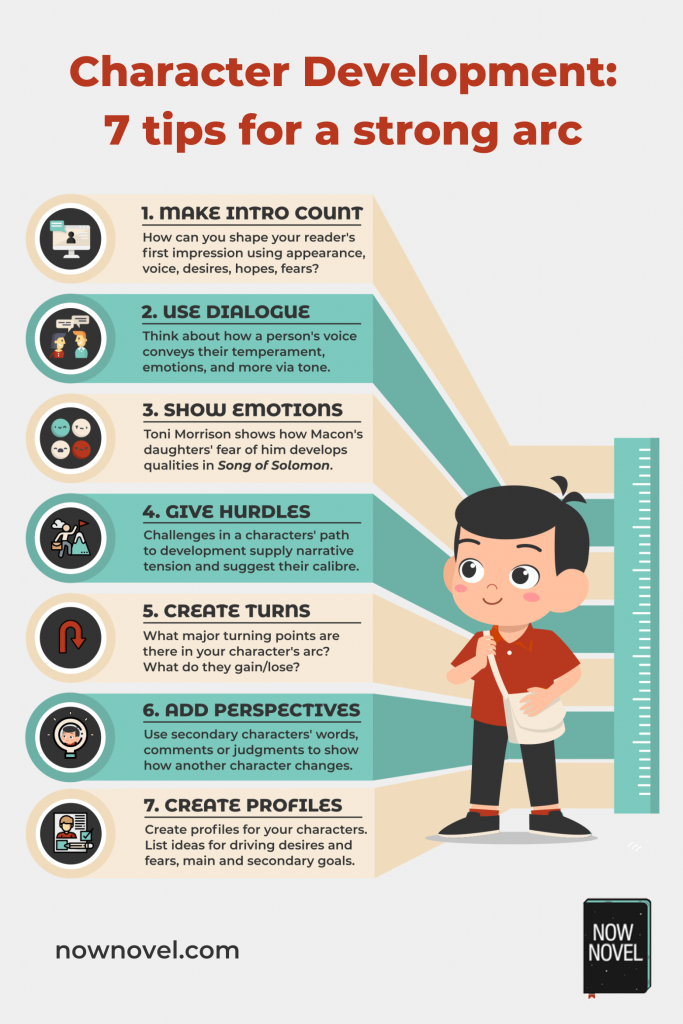
Developing Character Motivations
Developing character motivations is essential for character development. Motivations are the reasons why characters do what they do in the story. They can be driven by their desires, needs, or goals. Here are some tips for developing character motivations:
Identifying Character Desires
Identifying character desires is essential for developing character motivations. Desires are what characters want to achieve or gain in the story. They can be driven by their needs, goals, or values. You should make sure that the desires are consistent with the character's personality and backstory.
Creating Conflict
Creating conflict is essential for developing character motivations. Conflict is what drives the plot of a story and makes it more engaging for readers. You can create conflict by making characters' desires incompatible with each other or with their circumstances.
Making Characters Relatable
Making characters relatable is essential for character development. Relatable characters are those that readers can identify with or empathize with. Here are some tips for making characters relatable:
Giving Characters Universal Emotions
Giving characters universal emotions is essential for making them relatable. Universal emotions are those that are common to all humans, such as happiness, sadness, or fear. You should make sure that the emotions are consistent with the character's personality and backstory.
Creating Character Flaws
Creating character flaws is essential for making characters relatable. Flaws are the imperfections or weaknesses that characters have. They can make characters more human and relatable. You should make sure that the flaws are consistent with the character's personality and backstory.
Using Dialogue and Action
Using dialogue and action is essential for character development. Dialogue and action can reveal characters' personalities, motivations, and backstories. Here are some tips for using dialogue and action:
Using Dialogue to Reveal Character
Using dialogue to reveal character is essential for character development. Dialogue can reveal characters' personalities, motivations, and backstories. You should make sure that the dialogue is consistent with the character's personality and backstory.
Using Action to Reveal Character
Using action to reveal character is essential for character development. Action can reveal characters' personalities, motivations, and backstories. You should make sure that the action is consistent with the character's personality and backstory.
Overcoming Character Development Challenges
Overcoming character development challenges is essential for creating well-developed characters. For more information and guidance, you can refer to Character Development Tips that can help you create engaging and believable characters, here are some tips for overcoming character development challenges:
Dealing with Character Stereotypes
Dealing with character stereotypes is essential for overcoming character development challenges. Stereotypes are oversimplified or inaccurate representations of characters. You should make sure that your characters are unique and avoid stereotypes.
Creating Character Growth
Creating character growth is essential for overcoming character development challenges. Character growth is the change or development that characters undergo throughout the story. You should make sure that the growth is consistent with the character's personality and backstory.
Conclusion
Character development is a crucial aspect of writing a novel or creating a story. It involves creating characters that are believable, relatable, and engaging. By following the tips outlined in this article, you can create well-developed characters that drive the plot of a story and make it more immersive and enjoyable for readers.
FAQs
What is character development?
Character development is the process of creating and developing characters in a story. It involves giving characters their own unique personalities, motivations, and backstories.
How do I create believable characters?
To create believable characters, you need to give them their own unique personalities, motivations, and backstories. You should also make sure that their actions and dialogue are consistent with their personalities.
What is a backstory?
A backstory is a character's history and experiences before the start of the story. It can help explain their motivations and actions in the story.
How do I make characters relatable?
To make characters relatable, you need to give them universal emotions and flaws. You should also make sure that their desires and motivations are consistent with their personalities and backstories.
What is character growth?
Character growth is the change or development that characters undergo throughout the story. It can be driven by their experiences, relationships, and challenges.